Author:

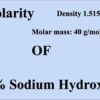
Molarity of 50% (w/w) Sodium Hydroxide (NaOH)
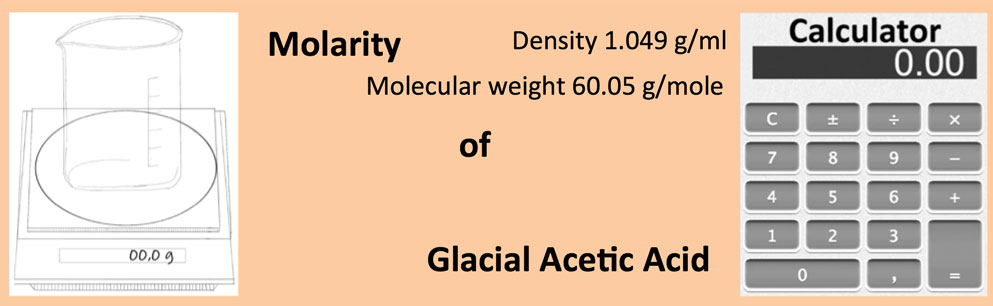
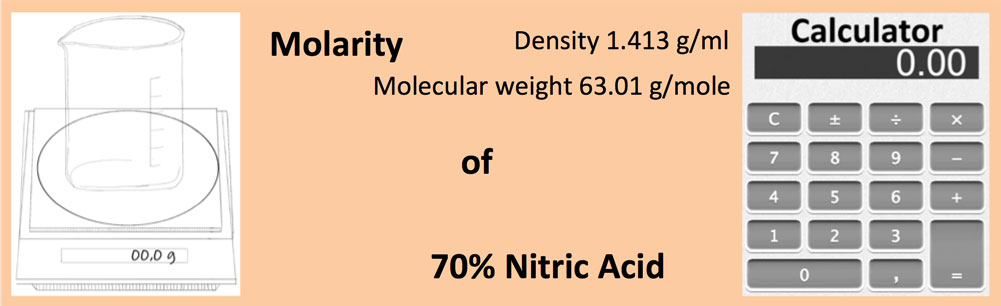
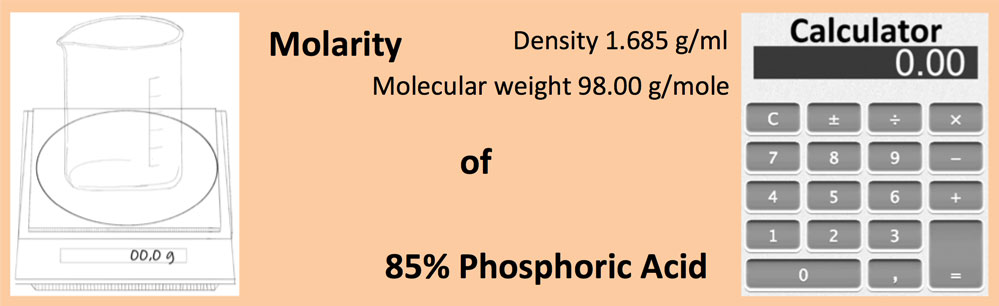
A 50% (w/w) concentrated Sodium hydroxide solution is a clear colorless liquid. It is an aqueous solution of Sodium hydroxide (NaOH). The 100 g of 50% Sodium hydroxide solution contains 50 g of NaOH. To calculate the molarity, one must first calculate how much Sodium hydroxide is present in 1 L of 50% Sodium hydroxide solution. Once we know the amount of Sodium hydroxide present in 1 L solution, we can calculate the molarity of the solution by dividing the NaOH amount by the molecular weight.
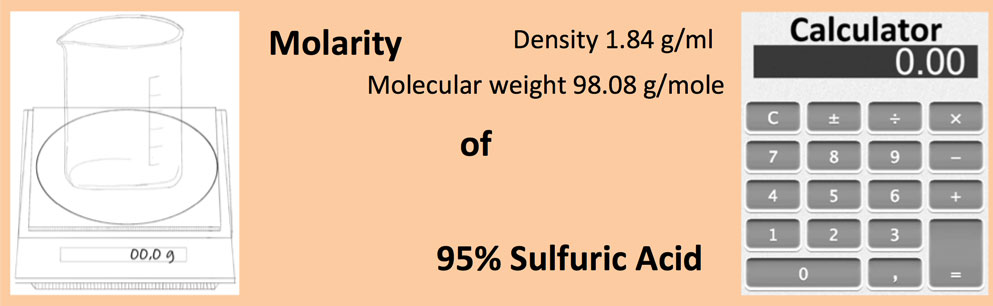


Molarity of 37% (w/w) Hydrochloric Acid (HCl)
A 37% (w/w) concentrated Hydrochloric acid is a clear colorless liquid. It is an aqueous solution of hydrogen chlori (HCl). The 100 g of 37% (w/w) Hydrochloric acid contains 37 g of HCl. To calculate the molarity, one must first calculate how much HCl is present in 1 L of 37% Hydrochloric acid solution. Once we know the amount of HCl present in 1 L solution, we can calculate the molarity of the solution by dividing the HCl amount by the HCl molecular weight.

Protocol: Running DNA Samples in Agarose Gel
Agarose gel is placed in an electrophoresis tank filled with an electrophoresis buffer. DNA samples are mixed with DNA loading dye and loaded onto the wells of agarose gel. Electrophoresis apparatus is connected to electric supply and electrophoresis is performed at constant voltage until the desired separation among DNA fragments is achieved. After the run is over, gel is analyzed using UV-transilluminator or Gel Doc system.
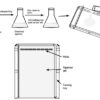
Protocol: Preparation of Agarose Gel for DNA Analysis
Agarose Gel is a gelatin-like slab, which contains small wells for loading DNA samples. It is prepared by melting agarose in a suitable electrophoresis buffer. Molten agarose is then poured into a specialized tray (casting tray), which controls the size and shape of the gel. The comb is used to create wells in agarose gel.